Daily Framework

A Daily Productivity Framework
for Work and Life

A structured, repeatable approach to organising your day — covering task prioritisation, time allocation, and a daily review process you can adapt to your own schedule.

A colour-coded weekly planner spread open on a desk alongside sticky notes, a pen, and a cup of coffee, showing a daily planning layout

What Is a Daily Productivity Framework?

A daily productivity framework is a repeatable structure for how you plan, execute, and review your work each day — replacing reactive decision-making with intentional organisation.

Rather than beginning each morning without a clear plan and responding to tasks as they arise, a daily framework gives you a defined sequence: you review your priorities, allocate time to them, and close the day with a brief reflection on what was completed.

This approach reduces the cognitive effort required to decide what to work on next, minimises the risk of important tasks being overlooked, and creates a more predictable daily rhythm that can accommodate both scheduled commitments and unexpected demands.

The framework presented here is designed to be practical and adaptable. It does not require specialist software or extensive preparation — a notebook, a calendar, and a consistent daily habit are sufficient to apply it.

Reduces Decision Fatigue

Pre-deciding your task order each morning means fewer micro-decisions throughout the day.

Creates Predictable Structure

A consistent daily format makes it easier to estimate how much you can realistically complete.

Supports Accountability

A brief daily review creates a natural checkpoint on commitments and priorities.

Scalable to Any Schedule

The framework scales up or down depending on your working hours and personal commitments.

The Four Components of the Framework

Each component addresses a distinct aspect of daily organisation. Together, they form a complete daily cycle.

1

Morning Priority Setting

At the start of each day, identify the two or three tasks that are most important to complete before anything else. These are your anchors — the items that, if finished, mean the day was productive regardless of what else occurs. Write them down in order of priority before you open your inbox or begin responding to requests.

2

Time Blocking

Assign specific blocks of time to specific categories of work — for example, focused project work in the morning, meetings and communications in the early afternoon, and administrative tasks later in the day. Each block should have a defined purpose and a realistic duration. Leave buffer time between blocks to account for transitions and unexpected requests.

3

Task Batching

Group similar tasks and complete them together rather than switching between different types of work throughout the day. Handling all email at designated times, completing administrative tasks in a single session, and batching phone calls are common examples. Reducing context switching typically allows each category of work to be completed more efficiently.

4

End-of-Day Review

Set aside five to ten minutes at the end of your working day to review what was completed, note any unfinished tasks that need to carry forward, and prepare a provisional list for the following morning. This brief closing routine ensures that nothing is lost between days and creates a clear stopping point for the workday.
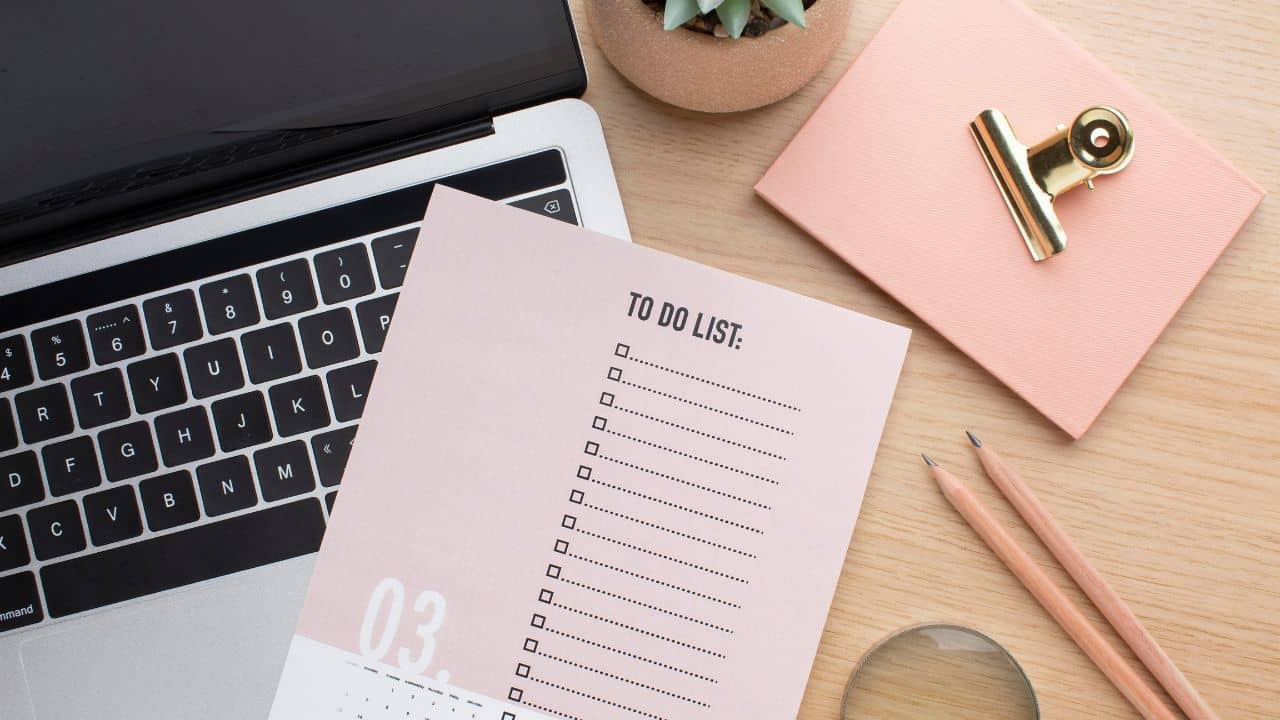
Applying the Framework to Your Day

A practical guide to implementing the daily framework within your existing schedule.

📋

Week One: Observe

Before changing anything, spend the first week tracking how you currently use your time. Note which tasks take longer than expected, when your focus is strongest, and where disruptions most frequently occur. This observation phase gives you a baseline for designing your personalised framework.

✎️

Week Two: Design

Using your observations, design a simple daily schedule template. Assign your highest-focus tasks to your most alert periods, batch similar activities, and build in recovery time between major blocks. Keep the design simple — two or three blocks per day is a sustainable starting point for most working schedules.

🔄

Week Three Onwards: Refine

Apply your template consistently and review it at the end of each week. Identify what is working, what needs adjustment, and what is being consistently missed. Gradual refinement over several weeks typically produces a more durable routine than attempting a complete redesign after only a few days.

Add Evening Planning Reach Out with Questions

Pair This with Evening Planning

The daily framework works most effectively when combined with a structured evening review. Explore how the two connect.